Government Group Management SOLAR GOVERNANCE
SOLAR GOVERNANCE
Life on Earth began approximately 3.8 to 4 billion years ago, shortly after the planet’s surface cooled and liquid oceans formed. [1, 2]
Timeline of Early Life
- 4.5 Billion Years Ago: Earth forms as a hot, molten planet bombarded by asteroids.
- 4.0 Billion Years Ago: The crust stabilizes, oceans form, and chemical building blocks like amino acids emerge.
- 3.8 Billion Years Ago: Isotopic carbon signatures in ancient rocks suggest the earliest metabolic life.
- 3.5 Billion Years Ago: Microscopic fossils and Stromatolites provide uncontested direct evidence of single-celled bacterial colonies. [1, 2, 3, 4]
Mercury is approximately 4.5 billion years old, having formed alongside the rest of the Solar System. [1, 2]
Planet Facts and Lifespan
- Age: About 4.5 to 4.6 billion years since formation.
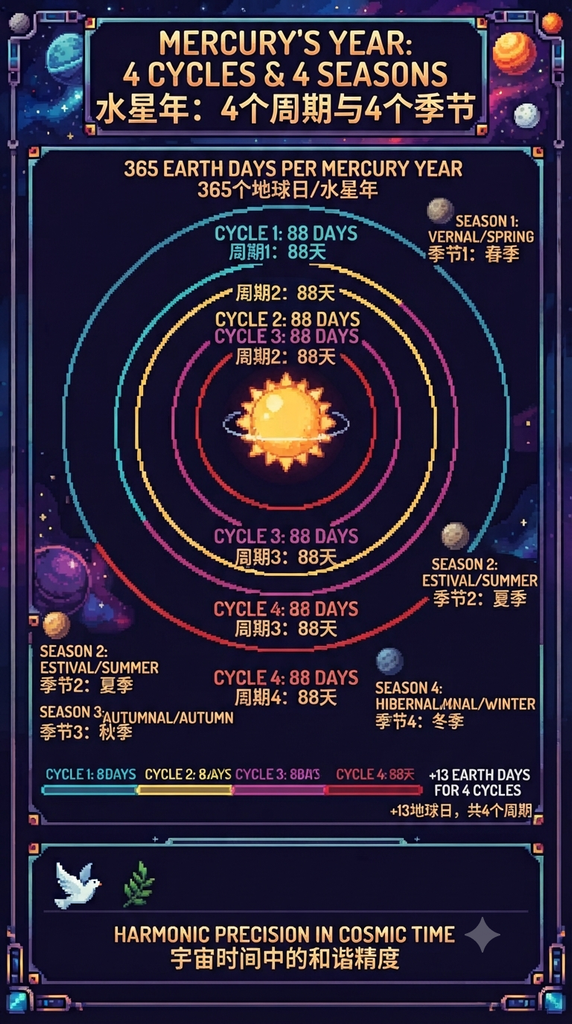
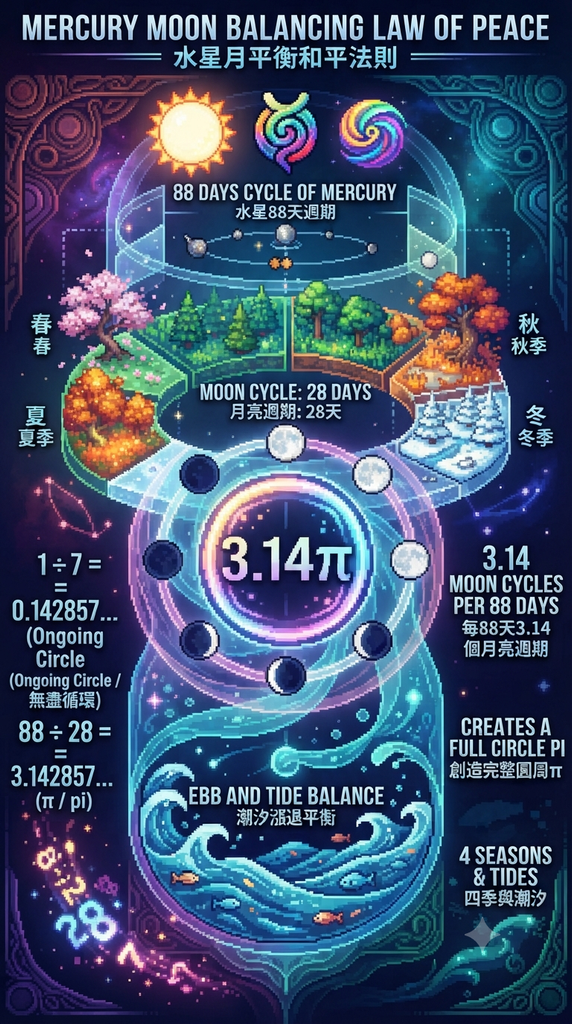
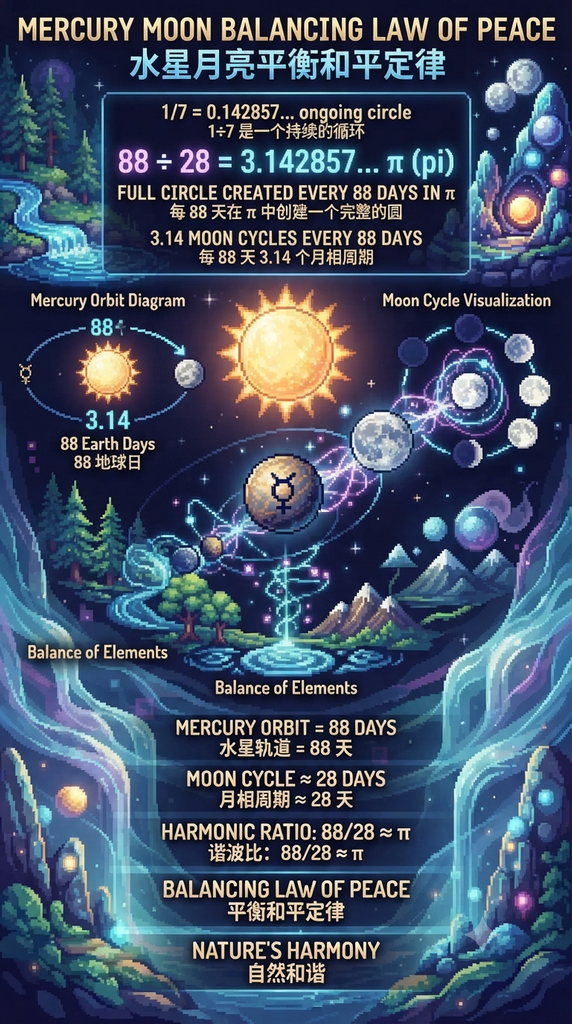
- Orbital Period (Year): 88 Earth days, meaning Mercury has completed over 18 billion “Mercury years.”
- Future Lifespan: Expected to be swallowed or destroyed when the Sun becomes a red giant in roughly 5 to 7 billion years. [1, 2, 3]
Geological Eras
Mercury’s history is divided into relative chronological periods based on surface features: [1]
- Pre-Tolstojan: Earliest period following crust formation.
- Tolstojan: Marked by heavy basin formation and early impacts.
- Calorian: Dominated by the impact forming the Caloris Basin and smooth plains.
- Mansurian & Kuiperian: Later periods with declining volcanic and impact activity
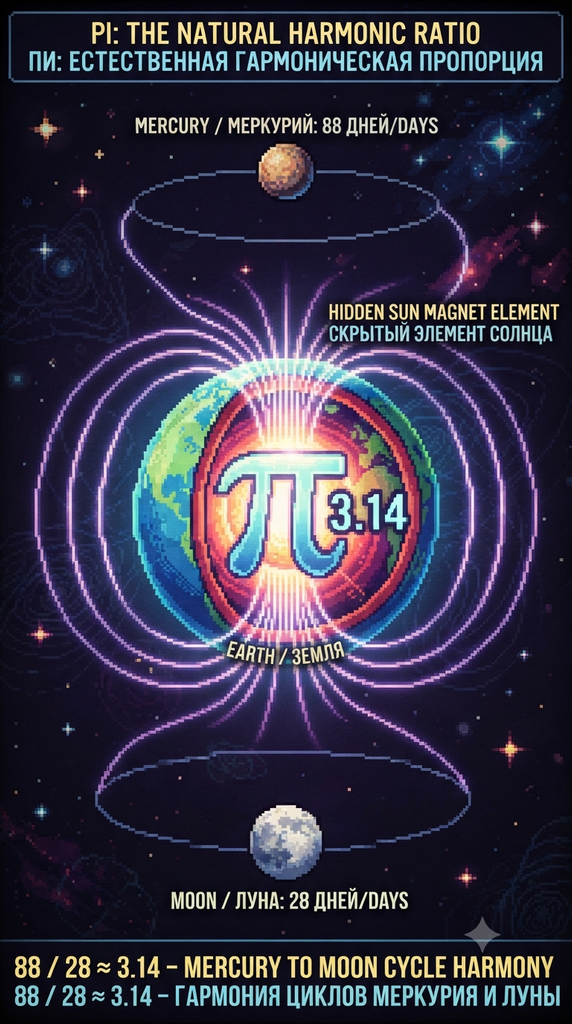
The distance between Mercury and Earth changes constantly because both planets move around the Sun in separate, oval-shaped paths. [1]
Closest Distance (Minimum)
- Distance: About 77 million kilometers (48 million miles).
- When it happens: During inferior conjunction, when Mercury sits directly between Earth and the Sun. [1, 2]
Farthest Distance (Maximum)
- Distance: About 222 million kilometers (138 million miles).
- When it happens: During superior conjunction, when Mercury is on the exact opposite side of the Sun relative to Earth. [1, 2]
Average Distance
- Distance: About 91.7 million kilometers (57 million miles).
- Fact: Even though Venus gets closer to Earth during its closest approach, Mercury stays closer to Earth on average than any other planet because it has the smallest orbit in the solar system